18+ only · Adult collectors' products · Please review your local import regulations before ordering
Realism · Motion · Testing
Robotic Realistic Sex Doll: Where Motion Meets Finish
Realism is a stack: mould, material, paint, eyes, hair, and finally movement. Most listings sell the first five and imply the sixth. When motion is added, it can either support the illusion or break it, depending on noise, speed and range.
This page looks at how robotics affects the realism of a finished figure, what to test before buying, and which motion features improve a photograph without ruining daily handling.
1. Silicone Material Introduction
Finish Before Motion
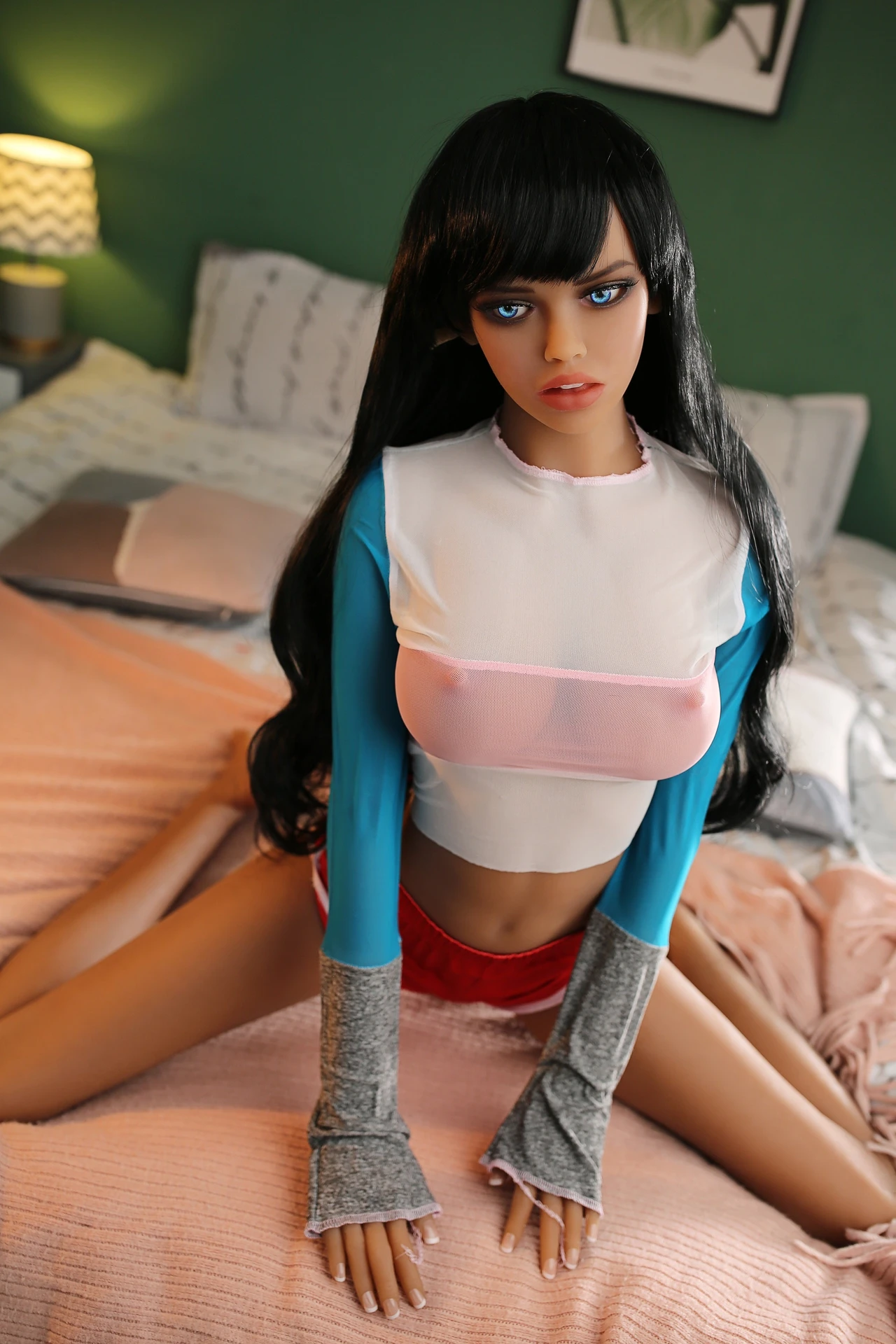
A realistic figure depends first on the shell. Platinum-cure silicone reproduces pores, knuckle lines and lip detail; layered paint adds undertone and blush; glass eyes and a lace-front wig complete the face. Motion cannot compensate for a poor mould.
When motors are added, the shell has to accommodate housings and wiring, which can stiffen the torso and change how the figure feels. A heavier build also requires a stronger frame, and the neck must carry the head plus the mechanism.
How Motion Affects Realism
Feature
Realism gain
Realism cost
Eye movement
High in photos and close conversation
Mechanical noise, fragile mechanism
Neck turn
Moderate; adds presence
Visible servo movement, seam stress
Hip motion
Low; rarely convincing
Loud, heavy, expensive
Heating
High; touch realism
None significant
The pattern is consistent: small, slow movements read as realistic; large, fast movements break the illusion immediately.
2. Customization Options
Choosing a Realistic Build
Spend on the face and hands before the motors. Articulated fingers photograph well but are fragile; a simpler hand lasts longer. A detailed robot realistic sex doll with layered paint will look more convincing in still images than a motorized figure with a flat finish.
If motion matters, choose eye movement and a slow neck turn. Both are quiet and small enough to support realism rather than undermine it.
Body Proportions
Proportion decides whether a figure reads as human at a glance. Shoulder-to-hip ratio, limb length and head size matter more than surface detail at normal viewing distance. Ask for a full-body photo against a plain wall.
3. Buying Guide
Testing Realism
Look at the face in daylight, not studio light.
Check the transition at the neck, wrists and ankles.
Ask for a close-up of the hands and knees.
Watch a continuous motion clip with sound.
Ask for the weight and the noise level in decibels.
Confirm the paint system and touch-up availability.
Price and Realism
Build
Realism level
Price band
TPE, standard paint
Good at distance
$450 to $1,200
Silicone, standard paint
Good at close range
$1,600 to $2,600
Silicone, detailed paint and eyes
High in photos
$2,600 to $4,500
Detailed paint plus moving head
High in photos, limited in motion
$4,500 to $9,000
Questions to Ask
Which parts move, and how slowly?
What is the noise at one metre?
Does the mechanism interfere with posing the neck?
Can the head be removed for photography?
What paint and sealer are used?
Which parts are replaceable?
4. Maintenance & Care
Protecting a Detailed Finish
Handle the face with clean hands, avoid touching the nose and cheeks, and dust with a soft brush. No alcohol, acetone or oil-based cleaners. Powder lightly every two to four weeks to keep the surface matte and reduce friction.
Motion Maintenance
Cycle each axis monthly and listen for change. Stop at the first grind. Check the seam around the neck for stress marks, and keep water away from the mechanism when cleaning.
Storage
Store the head in a neutral position and the body seated or lying. Cover the face to protect paint, and keep the figure out of direct sun, which fades paint and yellows silicone.
5. Shipping & Privacy Policy
Delivery
Powered builds may ship in two parcels. Confirm packed weight and dimensions, and arrange help for delivery. Plain cartons and neutral sender names are standard.
Customs and Power
Adult products and powered devices are regulated separately in many countries. Confirm voltage and plug type, and check import rules. Duties are charged separately.
Privacy
Labels use generic descriptions. If delivery is to a shared address, ask the carrier to hold the parcel.
6. Trust & Guarantee
Approval Photos
Ask for daylight photos of the painted head and hands before dispatch. A realistic build lives or dies on the face, and approval photos are the cheapest way to catch a mismatch.
Warranty
Body coverage is usually 12 months; electronics 6 to 12 months. Paint wear is normally excluded, so buy a touch-up kit at the same time.
Parts
Ask which motors and boards are stocked. A discontinued neck mechanism leaves a heavy head that cannot move, which is worse than a static one.
Frequently Asked Questions
Does motion make a doll more realistic?
Only small, slow motion. Eye movement and a slow neck turn can support realism; fast or large movements break it immediately.
Is silicone or TPE more realistic?
Silicone. It holds pores, lines and paint detail and stays matte. TPE is softer and shinier and blurs detail with handling.
How much does a realistic robotic doll cost?
A detailed silicone build with a moving head runs $4,500 to $9,000. A static detailed build is $2,600 to $4,500.
Can I photograph a robotic doll without the motors on?
Yes. The head holds a pose, and photography usually looks better with the mechanism at rest.
How loud are the motors?
Audible in a quiet room. Ask for a decibel reading at one metre; a slow neck turn is quieter than hip motion.
Will motion damage the shell?
It stresses the seam at the neck and any opening. Inspect monthly and keep the range within the design.
What paint system should I choose?
A pigmented base with layered translucent paint and a matte sealer. Ask whether a touch-up kit is available.
Are articulated fingers worth it?
For photography, yes; for daily handling, they are the most fragile part of the shell. Ask about replacement cost.
Does heating improve realism?
Yes, more than motion for most owners. Warmth changes how the figure feels immediately, and heating is reliable.
How long does a realistic finish last?
Five to ten years on silicone with light handling, two to four on TPE. Contact points fade first.
Final Thoughts
Realism is built from the mould outward. Buy the best face and finish you can afford, add heating, and treat motion as a display feature rather than a realism upgrade.
Then verify with daylight photos and a continuous demo. The camera can flatter a figure, but it cannot make a heavy, noisy mechanism convincing in person.
Realism Is a Stack, Not a Switch
Check paint, seams and motion separately, then decide which layer is worth paying for.
SSBBW sex dolls represent a shift in how we think about beauty and what our bodies should look like. They offer a unique and exciting experience and promote body positivity, which is so important.
If you’re curious about these dolls, there’s never been a better time to check them out. With so many options out there, you’re sure to find a doll that’s perfect for you. Do a little digging, choose a reputable manufacturer, and take good care of your doll. Have fun exploring the diverse offerings of SSBBW sex dolls.